
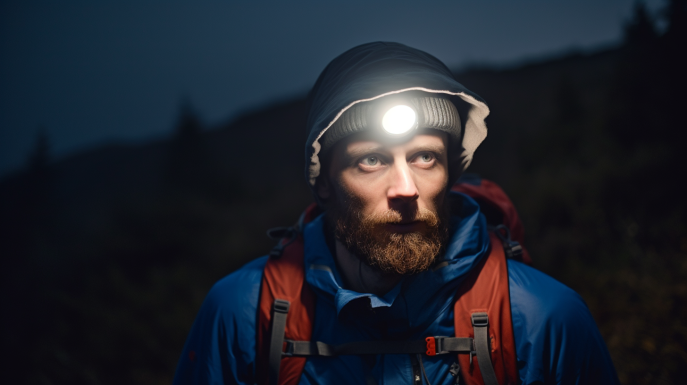
TLDR: For most camping and hiking, choose a comfortable headlamp with useful low and medium settings, a mixed or adjustable beam, simple controls, and a power system you can support throughout the trip. Peak brightness matters less than usable runtime, beam shape, fit, and a reliable backup plan.
The goal behind Illuminate Your Outdoor Adventures with the Best Headlamp Options is not to crown one light as perfect for everyone. A car camper cooking beside the picnic table, a backpacker squeezing equipment into a small pack, and a hiker returning after sunset need different combinations of brightness, battery flexibility, beam distance, and weight.
A headlamp earns its place by keeping both hands free while you pitch a tent, cook, sort gear, check a map, or negotiate a dark trail. The best choice is the model that performs those specific jobs without uncomfortable straps, confusing controls, or a battery system that becomes inconvenient halfway through the trip.
Choose the power system around your trip
Rechargeable, disposable-battery, and hybrid headlamps can all be sensible. Start with a practical question: where will the next charge or replacement battery come from?
Rechargeable headlamps
A rechargeable light is convenient for day hikes, regular dog walks, weekend camping, and other outings that begin near a reliable electrical outlet. Charging after each trip avoids repeatedly buying batteries, while a power bank can extend the system on the road or trail.
Check which charging cable the lamp requires and whether it can operate while connected to external power. Also consider what happens if its built-in battery is depleted or deteriorates. A sealed rechargeable design may be simple during normal use but difficult to revive in the field.
AAA-powered headlamps
Standard batteries are easy to swap, which makes them appealing for remote travel, emergency kits, infrequent use, and trips where charging access is uncertain. Spare batteries should be packed securely and protected from contact with loose metal objects. The tradeoff is the recurring cost and waste associated with disposable cells.
Hybrid and dual-fuel models
A hybrid headlamp offers rechargeable convenience while retaining the option to install common batteries. Petzl’s current HYBRID CONCEPT, for example, accepts either the company’s CORE rechargeable battery or three AAA batteries. Nite Ize lists similar power flexibility for its Radiant RH1 PowerSwitch, which can use its rechargeable pack or AAA batteries.
Hybrid power is particularly useful when a lamp serves double duty at home and on longer trips. It is not automatically lighter or longer-lasting, however. Compare the weight, runtime, spare-power requirements, and charging hardware of the complete system.
Read headlamp specifications as a group
The largest number on the package is usually the lumen rating, but lumens describe total light output rather than how far the light reaches or how long maximum brightness lasts. Beam shape, output regulation, battery capacity, and operating mode all influence what the lamp feels like outdoors.
The ANSI/PLATO FL 1-2025 performance standard covers reporting categories that include light output, beam distance, runtime, impact resistance, and water and dust penetration. It also addresses short-duration turbo or boost output. Those categories make comparisons more useful, but only when equivalent measurements are read together.
Petzl explains that maximum output is measured shortly after activation under the protocol and that the reported runtime continues until output has fallen to 10% of maximum. Beam distance is also affected by the shape of the beam. In practical terms, a lamp advertised at a spectacular peak may hold that level briefly and then step down. Look for mode-specific runtime information rather than assuming the maximum-lumen figure describes an entire evening.
| Specification | What it tells you | Why it matters outdoors |
|---|---|---|
| Lumens | Total light output | Useful for comparing output, but not enough to predict reach or runtime |
| Beam distance | How far the beam reaches under stated test conditions | Important for route-finding and spotting markers farther ahead |
| Runtime | How long a mode operates under the stated reporting method | Helps plan battery capacity, although brightness may decline during that period |
| Beam type | Whether light is broad, focused, or mixed | Determines whether the lamp suits close work, distance, or both |
| Weight | Lamp weight, sometimes with the battery included | Affects comfort, bounce, and backpacking load |
| Weather rating | Manufacturer-listed resistance to water and dust | Helps compare suitability for rain, spray, and dirty conditions |
For camp chores, comfortable low and medium modes are often more valuable than extreme output. Very bright light reflected from a white tent wall, cookware, or another camper’s face is unpleasant and drains power quickly. Higher output becomes more useful when moving faster, searching at a distance, or identifying a route across open terrain.
Match the beam to the job
Flood beams for camp and close work
A flood beam spreads light across a broad area. It works well for cooking, organizing a tent, reading, changing footwear, and handling gear at arm’s length. The wide pattern reduces the tunnel-vision effect of a narrow spot, but it usually does not reach as far.
Focused beams for route-finding
A focused beam concentrates light down the trail. This can help with distant trail markers, obstacles, turns, or features on the far side of a clearing. A narrow beam is less comfortable for prolonged close work and can make peripheral areas feel unusually dark.
Mixed beams for general outdoor use
A mixed system combines broad peripheral illumination with a brighter center. It is a flexible choice for people who want one lamp for both camp and trail use. Black Diamond’s selection guidance similarly separates close-range lighting from longer-distance needs and identifies beam type, output, power source, and construction as key considerations.
Some headlamps let the user switch between flood and spot emitters. Nite Ize lists separate spot, flood, combined, and red modes for the 600-lumen maximum Radiant RH1 PowerSwitch. That range illustrates a useful design principle: several well-spaced modes can be more versatile than one exceptionally bright setting.
Use red light for low-impact nighttime tasks
A red mode is useful when you want enough illumination to find equipment, check a chart, or walk around camp without flooding the area with bright white light. The National Park Service recommends red-light headlamps or flashlights for nighttime park activities and stargazing because they help preserve night vision and reduce light pollution. Review the NPS stargazing guidance before attending a night-sky program.
Red light is not the best mode for every task. It can make colors and fine terrain details harder to distinguish, so switch to an appropriate white-light setting when footing or navigation demands a clearer view. Courtesy matters too: aim the lamp down, dim it around other campers, and avoid turning toward someone while using a bright mode. More guidance on shared outdoor spaces appears in our Leave No Trace principles overview.
Choose a headlamp for your main activity
Car camping
Prioritize easy controls, a broad beam, comfortable low settings, and convenient charging or battery replacement. A little additional weight is usually acceptable. A tilting housing is valuable because it lets you aim light at the stove or picnic table instead of lighting the treetops—or everyone sitting opposite you.
Backpacking
Weight and packed bulk matter more when every item travels on your back. Look for a secure strap, an effective low mode, a lockout, and enough energy for the expected nights plus a reasonable margin. Count spare batteries, a charging cable, or the headlamp’s share of a power bank when comparing total system weight. Pair the lighting decision with a shelter suited to the trip using our backpacking versus camping tent comparison.
Night hiking and trail running
Moving after dark places more emphasis on beam reach, peripheral illumination, stable fit, and controls that can be operated without stopping. A top strap or balanced rear battery may reduce bounce on some designs, although it adds complexity. Carry a second independent light on consequential night routes; a phone flashlight is awkward for walking and also consumes power you may need for communication or navigation.
A headlamp supports navigation but does not replace it. Download needed maps before departure, know the route, and carry an appropriate backup rather than relying on one app or one battery. Our guide to essential hiking gear for trips with a dog also covers considerations for companions who cannot tell you that the return hike is taking longer than planned.
Long or remote trips
Favor field-replaceable power or a clearly planned charging system. Calculate expected use by mode and night, then add capacity for delays, colder conditions, or an earlier-than-planned sunset. Keep backup energy accessible rather than buried at the bottom of a tightly packed bag.
Current specifications show why use case matters
Manufacturer specifications can help illustrate the range of available designs, but they are not a substitute for matching features to your trip. COAST currently lists the RL10 at up to 560 lumens, with red mode, three-AAA compatibility, support for an optional rechargeable battery, up to 14 hours of runtime, and an IP54 rating.
At the more powerful and feature-heavy end, Ledlenser lists the rechargeable HF8R Signature at up to 2,000 lumens with adaptive dimming and focusing, red, green, and blue front lights, and an IP68 rating. Those additional capabilities may appeal to users who need high output or automated adjustment, but they do not make a premium lamp necessary for ordinary campsite chores.
Treat these as examples rather than a ranking. Specifications, availability, and model revisions can change. Compare current documentation for the exact model and pay attention to what is included in the listed weight and runtime.
Final headlamp checklist
- Fit: The strap should stay secure without creating a pressure point. Test it over the hat or hood you expect to wear.
- Useful modes: Look for low and medium settings that suit close work, not merely an impressive maximum.
- Beam: Choose flood for camp, focused light for distance, or a mixed system for general use.
- Controls: Make sure the buttons and mode sequence remain manageable with cold fingers or gloves.
- Lockout: A lockout prevents the headlamp from switching on inside a pack and quietly illuminating your spare socks for six hours.
- Tilt: An adjustable lamp body helps direct light toward your hands or the trail without bending your neck.
- Power backup: Pack spare batteries, a charged power bank, or a second light according to the trip.
- Weather protection: Compare the manufacturer’s listed rating with the rain, dust, and exposure you reasonably expect.
- Comfort and stability: Consider the complete weight and whether the battery position causes bouncing or front-heavy pressure.
The practical choice
Start with the task you perform most often. For ordinary camping and hiking, a comfortable headlamp with a versatile beam, good low and medium modes, straightforward controls, and dependable power is usually a better purchase than the model with the largest lumen number.
Before leaving, charge the lamp or install fresh batteries, confirm that every mode works, activate the lockout, and pack the appropriate backup. That five-minute check matters more than chasing one extra specification—and it keeps your hands available for the jobs that made you bring a headlamp in the first place.
References
- www.petzl.com
- Radiant™ RH1™ PowerSwitch™ Rechargeable Headlamp
- ANSI/PLATO FL 1-2025 – Flashlight Basic Performance Standard
- www.petzl.com
- How to Choose the Best Headlamp – Black Diamond
- Stargazing at Black Canyon (U.S. National Park Service)
- COAST: Innovative LED Flashlights and Hands Free Lighting Solutions
- HF8R Signature Headlamp – Ledlenser USA