
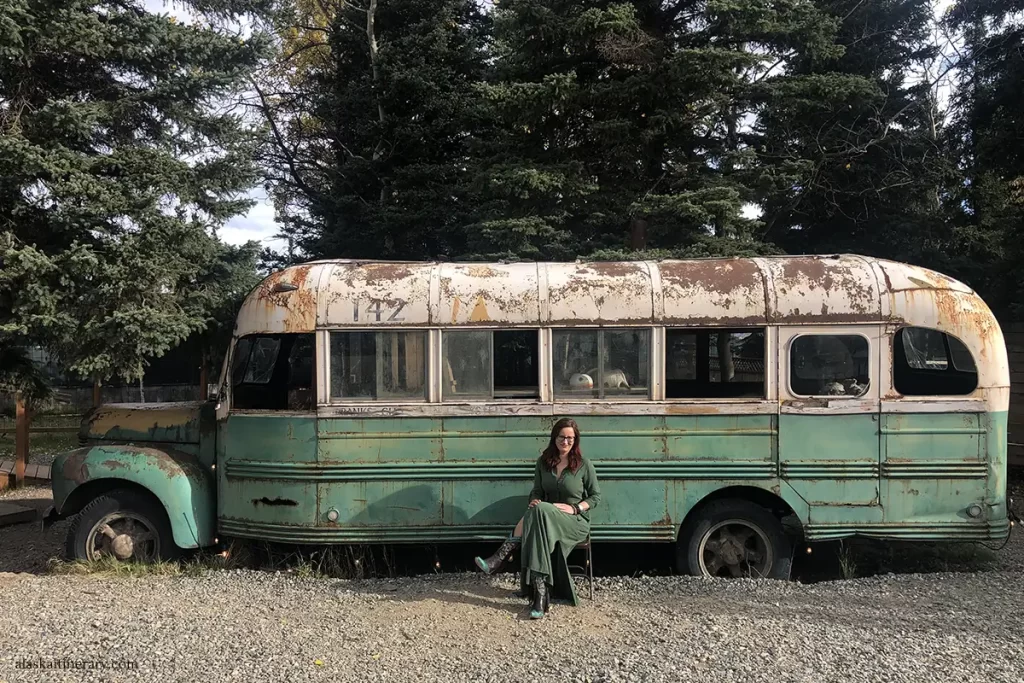
TLDR: Bus 142 was airlifted from the Alaska wilderness on June 18, 2020, after repeated rescues, injuries and deaths associated with attempts to reach it. The University of Alaska Museum of the North now cares for the bus, but the physical vehicle is in offsite storage and is not open to visitors. A covered outdoor exhibition is planned, although the museum has not announced an opening date.
From the Wilderness to the Museum: The Saga of Bus 142 is therefore still unfinished. The bus made famous by Chris McCandless and Into the Wild has left its remote location near the Stampede Trail, but it has not completed the final step into a public museum display. Anyone planning a Fairbanks visit specifically to see the vehicle should wait for a confirmed announcement from the museum.
Where is Bus 142 now?
The University of Alaska Museum of the North in Fairbanks is the bus’s official caretaker. It received that role in September 2020, several months after the vehicle was removed from the wilderness. The museum says the bus is currently held in offsite storage while fundraising and planning continue for its permanent exhibition. Its precise storage location is not public visitor information.
That status corrects a tempting but important misconception: visitors cannot presently walk around the physical bus at the museum. The planned display would place it outdoors beneath a protective cover, with an accessible trail and interpretive signage providing historical context. No confirmed opening date appears in the museum’s current project information.
In the meantime, the museum offers digital material covering the history, removal and conservation of Bus 142. The Museum of the North’s Bus 142 project page is the sensible place to check before making travel plans, both for its virtual resources and for any eventual exhibit update.
The bus had a working life before Into the Wild
Bus 142 did not begin as a wilderness monument. It is a 1946 International Harvester K-5 that was brought into the area during a road-building project. Yutan Construction Company used it as housing for workers in 1961, and it remained behind after the project ended.
Its later cultural meaning came from Christopher McCandless, who stayed in the abandoned bus in 1992. The Alaska Department of Natural Resources records that he died there after a 114-day stay. His journey subsequently reached a much larger audience through Jon Krakauer’s book Into the Wild and its film adaptation. The bus became inseparable from the public discussion surrounding McCandless: independence and idealism to some people, inadequate preparation and avoidable risk to others.
Those interpretations helped turn an old construction bus into a pilgrimage destination. But the journey to it was not a controlled museum experience. It required travel through genuine backcountry terrain, including a crossing of the Teklanika River. A place can be culturally famous and still be physically unforgiving.
Why Alaska removed Bus 142
On June 18, 2020, the Alaska Department of Natural Resources and Alaska Army National Guard airlifted Bus 142 from its location near the Teklanika River, approximately 25 miles west of the Parks Highway. The vehicle was carried beneath a CH-47 Chinook helicopter during a training mission.
The decision was driven by public safety rather than an attempt to erase the site’s history. Alaska DNR said people trying to reach the bus had repeatedly required rescues and had suffered injuries. Its 2020 release also reported that two travelers had drowned during attempted trips since 2010. The agency’s official account of the Bus 142 removal explains the rationale and operation in detail.
The hazard was not necessarily obvious to everyone attracted by the story. River conditions can transform with weather, runoff and season, while remoteness magnifies the consequences of a mistake. Photos, films and social posts can make a destination feel familiar without conveying cold water, shifting current, route-finding difficulty or the time required for a rescue.
Removing the destination eliminated the main reason many people attempted that particular journey. It also made it possible to preserve the bus instead of leaving it to deteriorate, accumulate damage or continue drawing underprepared visitors into hazardous terrain. That balance—retaining the object while ending the pilgrimage to its remote location—was a reasonable response to a recurring backcountry problem.
The route from removal to museum stewardship
| Date | What happened | Why it matters |
|---|---|---|
| 1961 | The bus was used as construction-worker housing and then abandoned after the road project. | This established its original role long before it became a cultural landmark. |
| 1992 | Chris McCandless stayed in Bus 142 and died there after 114 days. | His story gave the bus its later international significance. |
| June 18, 2020 | Alaska authorities airlifted the bus from near the Stampede Trail. | The removal addressed repeated public-safety incidents and enabled preservation. |
| September 2020 | The Museum of the North became the official state repository and caretaker. | Museum stewardship replaced exposure at the remote site. |
| January–April 2023 | Conservators stabilized and repaired the vehicle. | The work prepared the bus for eventual exhibition without erasing every historic layer. |
| Current status | The bus remains in offsite storage and is not on public view. | Visitors should wait for an official opening announcement before planning a trip around it. |
How conservators approached Bus 142
Conserving the bus did not mean returning it to factory condition. Its dents, rust, graffiti, modifications and other damage are part of the object’s history. The museum’s task was to stabilize deterioration, repair damage that threatened the structure and prepare the vehicle for a future outdoor display while retaining meaningful evidence of its past.
From January through April 2023, conservators addressed deterioration as well as damage connected to the removal operation. Work included treating rust, making structural repairs and replacing missing or broken windows.
Some choices show the difference between conservation and cosmetic restoration. A badly damaged exterior area was protected with sheet metal, while bullet holes remained visible from inside the bus. Conservators also recreated the familiar “142” stencil using photographs taken before that portion of the exterior was damaged. These interventions help visitors recognize the object without pretending that its long exposure in the wilderness never happened.
The planned shelter is equally important. A bus that spent decades exposed to Alaska’s weather will still need protection once it becomes an outdoor exhibit. A roof can reduce direct exposure while allowing the vehicle to remain in an open-air setting that better reflects its history than a polished indoor gallery would.
What the planned exhibit needs to explain
Bus 142 carries several overlapping stories. It is an artifact of Alaska road construction, the location of McCandless’s final months, a symbol shaped by books and film, and an example of how a remote destination can become hazardous when cultural fame drives visitation. A useful exhibit can hold those threads together without reducing the bus to either a shrine or a cautionary prop.
The museum’s plans include interpretive signs and a trail leading to the covered display. That interpretation matters because the bus by itself cannot explain its working history, McCandless’s choices, the later rescue burden or the reasoning behind its removal.
It can also clarify a distinction that applies well beyond this story: inspiration is not a trip plan. A narrative may motivate someone to seek solitude or challenge, but safe travel still depends on current conditions, realistic turnaround points, navigation, weather awareness and a willingness to abandon the objective. Recognizing high-risk areas in outdoor environments is part of sound planning, not a rejection of adventure.
The lasting outdoor lesson of Bus 142
The removal of Bus 142 did not settle every debate over McCandless or the meaning people attach to his journey. It did settle a practical question for modern visitors: the original bus is no longer a wilderness destination, and attempting to seek its former location offers no encounter with the artifact that inspired the trip.
More broadly, the saga shows how quickly a compelling story can flatten the realities of terrain. A river shown briefly on screen may be the decisive obstacle on the ground. A route that someone completed in one set of conditions may be impassable in another. The confidence created by familiarity with a story is not the same as competence in the landscape.
Moving Bus 142 was a safety-driven preservation decision. It ended the vehicle’s role as a dangerous pilgrimage objective while giving conservators the chance to protect a distinctive piece of Alaska history. The museum chapter remains incomplete, however. Until the Museum of the North announces that its outdoor exhibit has opened, engage with the digital project, follow official updates and do not travel to Fairbanks expecting the physical bus to be on display.