
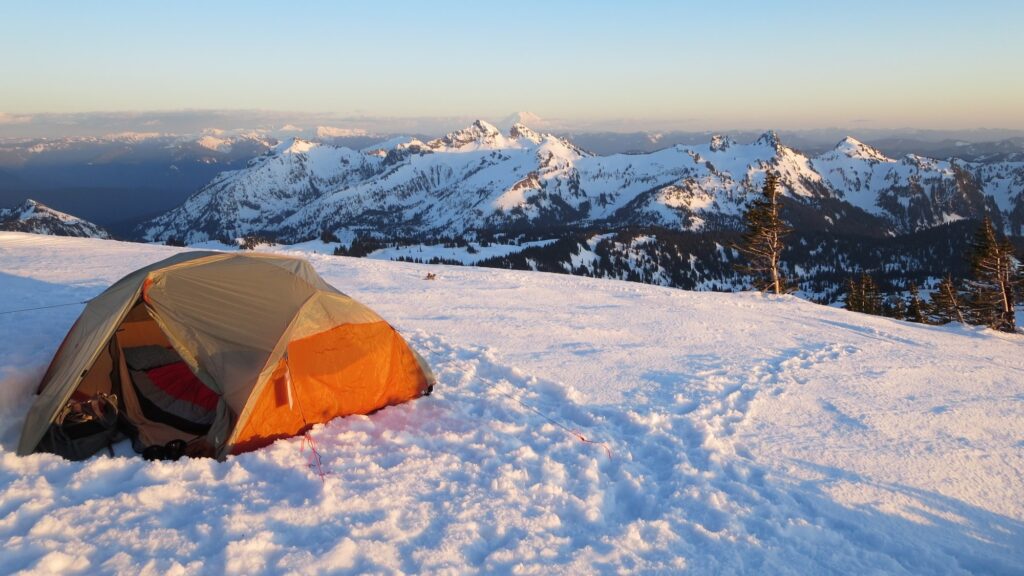
Winter camping can be quiet, beautiful, and honestly kind of magical. It can also be the quickest way to learn that “cold” is not one thing. There’s cold-from-temperature, cold-from-wind-chill, and the special kind of cold you get after you sweat through your base layer because you hiked uphill like you were late for a meeting. This guide is about winter camping safety in the real world: staying warm, managing moisture, avoiding common mistakes, and knowing what to do when things start going sideways.
Start winter camping safety before you leave the house
Most problems in winter start with a small planning miss. A minor storm becomes a big deal when you’re tired, wet, and still two miles from camp.
Do this before you go:
- Check forecast details, not just the high and low. Look at wind speed, precipitation, and how fast the temperature drops after sunset.
- Know your daylight window. In winter, “we’ll set up when we get there” can turn into pitching a tent in the dark with frozen fingers.
- Pick a conservative route and campsite. Bailout options matter more than “scenic.”
- Tell someone your plan. Where you’re parking, where you’re camping, and when you’ll check in.
And if you’re traveling in mountain terrain, add avalanche planning to your normal routine. “We’ll just stay away from steep stuff” only works if you actually understand what counts as avalanche terrain and what’s above you.
Dress for sweat management, not just warmth
If you want one winter rule that pays off fast, it’s this: stay dry. Wet clothing steals heat. And sweat is just wet clothing you made yourself.
A simple layering system works because it lets you adjust before you overheat:
- Base layer: Wicking (wool or synthetic). Skip cotton. Cotton holds moisture and stays cold.
- Mid layer: Fleece or light insulation. Easy to vent.
- Insulation layer: Puffy jacket (down or synthetic). This is your “stop moving” warmth.
- Shell: Windproof and waterproof layers when conditions demand it.
A few small habits make a big difference:
- Vent early. If you’re warming up, unzip, remove a hat, open pit zips. Don’t wait until you’re sweaty.
- Keep a “dry set” for camp and sleep. Socks, base layer top, maybe gloves. Protect it like it’s your phone.
- Mittens often beat gloves. Gloves are great until your fingers get cold. Mittens keep heat shared.
This is also part of winter camping safety that people skip: you don’t need to be “tough.” You need to be adjustable.
Build a camp that doesn’t fight you all night
Winter camps fail in boring ways: wind exposure, snow drifting into the tent, waking up colder at 3 a.m. than you thought possible.
Site selection matters:
- Avoid low spots where cold air pools.
- Use natural wind breaks (trees, terrain), but don’t camp under heavy snow-loaded branches.
- Stay out of avalanche paths and runout zones in the mountains.
On snow:
- Pack down a tent platform with boots or skis and let it set up for a bit.
- Use snow stakes, deadman anchors, or buried stuff sacks if normal stakes won’t hold.
- Keep your entry area tidy. You don’t want to excavate your zipper at 2 a.m.
One underrated trick: plan a small “kitchen” spot downwind from the tent. Cooking in winter is slower and fussier. Give yourself space so you’re not melting snow on top of your sleeping area.
Your sleep system is the main event
People obsess over sleeping bag temperature ratings, and then sleep on a pad that might as well be a tortilla. In winter, the ground (or snow) steals heat fast.
Focus on insulation under you:
- Use a sleeping pad (or pads) with enough insulation value for winter.
- Many winter campers stack two pads: for example, a closed-cell foam pad plus an insulated inflatable.
Dial in warmth without doing anything sketchy:
- Eat a real dinner and keep a snack handy. Calories are fuel.
- Warm up before bed. A few minutes of movement helps, but don’t sweat.
- Use a hot water bottle trick (boiling water in a durable bottle) inside your sleeping bag. Keep it sealed tight and placed where it won’t burn you.
Condensation is normal. You’ll breathe moisture into your shelter all night. Venting helps, even when it feels wrong because “venting equals cold.” Yes, venting can feel colder. But waking up damp is worse.
Stove safety: the quiet danger is carbon monoxide
In winter, people get tempted to cook in the tent vestibule, run heaters, or “just warm things up for a minute.” This is where winter camping safety gets serious.
Fuel-burning stoves and heaters can produce carbon monoxide, and tents are not the “open air” you think they are when everything is zipped up against the cold.
Safer rules:
- Do not run fuel-burning gear while sleeping.
- Keep stoves and heaters outside enclosed shelters whenever possible.
- If you cook near a vestibule or under a tarp, vent aggressively and keep your head out of the enclosed space.
- Consider a portable CO alarm if you’re using any heater system, ice fishing shelters, or enclosed winter setups.
And yes, people argue about this online. But you don’t win points for being right on the internet. You win by waking up.
Hydration and food: you’re burning more than you think
Cold air is dry. Heavy clothing makes you sweat. And winter effort is usually higher. You can get dehydrated without noticing.
Hydration tips that actually work:
- Drink consistently, not just at meals.
- Insulate bottles and store them upside down (the top freezes first).
- Wide-mouth bottles are easier when things start icing up.
- Melting snow takes fuel. Budget extra stove fuel if snow is your main water source.
Food tips:
- Eat more fat and carbs than you do in summer trips.
- Keep snacks accessible (jacket pocket). If it’s buried in your pack, you’ll “save it for later” and later never happens.
- Avoid alcohol as a “warming strategy.” It can make you feel warm while increasing heat loss and impairing judgment.
Navigation and communication: winter is not forgiving
Snow can cover trails, signs, and landmarks. And batteries die faster in the cold.
Bring the basics:
- Map and compass, and know how to use them.
- GPS or phone maps as backup, not as your only plan.
- Headlamp with fresh batteries (plus spares).
Battery reality:
- Keep electronics warm in an inside pocket.
- If you’re using a power bank, keep that warm too. Cold-soaked power banks can act dead even when they’re charged.
If you’re in remote areas, consider a satellite messenger or personal locator beacon. It’s not macho to “tough it out” when the problem is a sprained ankle on an icy slope in fading light.
Avalanche awareness: avoid the problem before it exists
If you camp or travel in avalanche country, this is not optional knowledge. Avalanches don’t require extreme-looking mountains. They require steep enough slopes, snowpack, and a trigger.
Practical basics:
- Learn what slope angles are likely to slide.
- Check the local avalanche forecast.
- Carry the right gear (beacon, shovel, probe) and know how to use it.
- Get training if you’ll be around avalanche terrain regularly.
And here’s the annoying truth: a “safe” campsite can still be threatened by what’s above it. Don’t camp under steep, open slopes just because your tent spot feels flat.
Know the signs of frostbite and hypothermia
Winter injuries often start quietly. You don’t always notice until you’re in trouble.
Frostbite warning signs:
- Numbness
- Skin turning pale, waxy, or hard (often fingers, toes, nose, ears)
What to do:
- Get out of the cold.
- Warm the area gently (warm, not hot).
- Don’t rub it or “massage it back.” That can cause more damage.
Hypothermia warning signs:
- Uncontrolled shivering (or shivering that stops even though the person is still cold)
- Confusion, fumbling hands, clumsiness
- Slurred speech, unusual tiredness
What to do:
- Get the person into shelter.
- Remove wet layers and warm the core (chest, neck, head, groin).
- Warm drinks can help if the person is alert. Avoid alcohol.
If symptoms are serious, treat it like an emergency. Because it is.
A simple winter camping safety routine that keeps you out of trouble
You don’t need a complicated system. You need a few repeatable habits:
- Stay ahead of moisture: vent layers early, change into dry camp clothes.
- Protect sleep insulation: keep sleeping bag and dry layers dry at all costs.
- Eat and drink on purpose: don’t “wait until you feel thirsty.”
- Keep tasks small: set camp before you’re exhausted, melt water before you’re desperate.
- Have a bailout plan: know where you can go if weather shifts.
Winter camping is awesome when it’s controlled discomfort. It’s miserable when it becomes uncontrolled risk. If you take winter camping safety seriously, you get more of the first kind.
Conclusion
Winter doesn’t care how experienced you are. It cares how prepared you are. If you plan conservatively, manage sweat, build a warm sleep system, take stove ventilation seriously, and watch for frostbite and hypothermia, you’ll be in a good place. And you’ll actually enjoy the quiet side of the outdoors that most people never see.
If you’re new to this, start small. Short trip. Easy exit. Good forecast. Build confidence one trip at a time.